WORDS: MIA MEDAKOVIC
PHOTOS: ANTON WELT
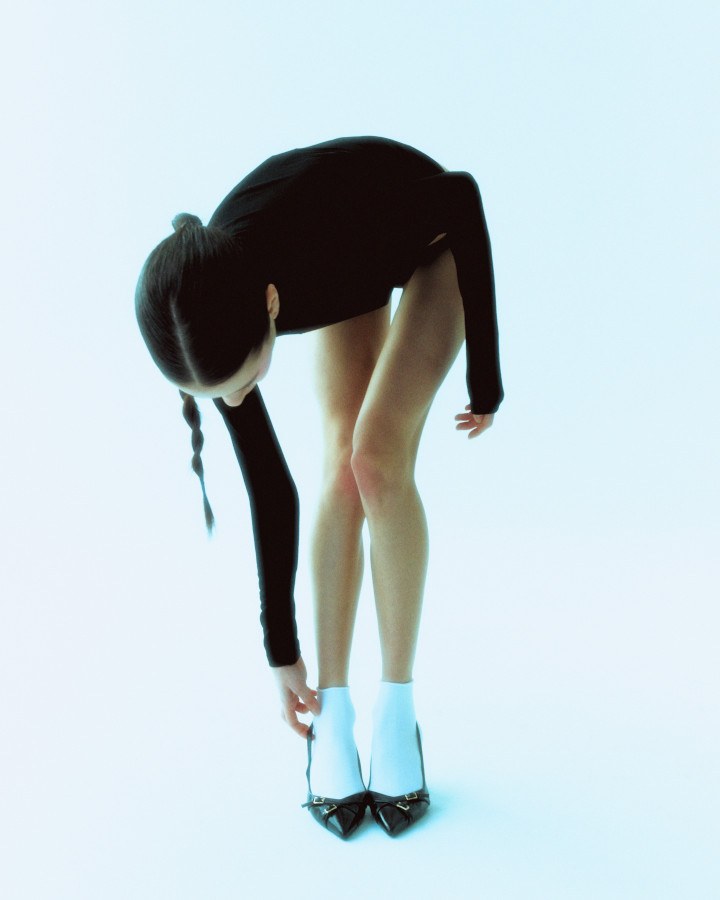
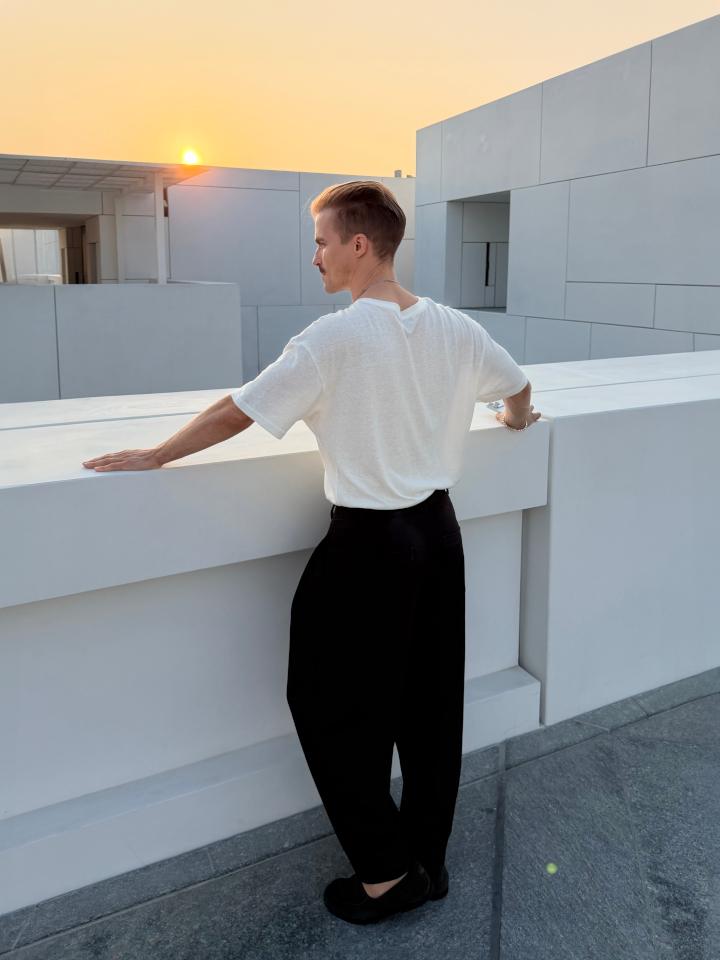
ANTON WELT IS A COMMERCIAL AND PORTRAIT PHOTOGRAPHER FROM RUSSIA WITH OVER 15 YEARS OF EXPERIENCE. IN RECENT YEARS, HE REACHED A LEVEL OF COLLABORATION WITH MAJOR BRANDS AND WELL-KNOWN PERSONALITIES IN RUSSIA, INCLUDING CELEBRITIES, FOR MANY OF WHOM HE BECAME THEIR PERSONAL PHOTOGRAPHER. IN RUSSIA, HE ALSO SERVED AS A BRAND AMBASSADOR FOR SONY, GIVING LECTURES AND MASTERCLASSES.
HE MOVED TO SERBIA WITH HIS FAMILY ABOUT FOURYEARS AGO, BUT FREQUENTLY TRAVELS FOR PHOTO SHOOTS FOR CLIENTS TO ITALY, GERMANY, FRANCE, AND THE EMIRATES. IN BELGRADE, HE HAS FORMED A TEAM WITH WHOM HE CREATES BOTH ELEGANT PRIVATE PHOTO SESSIONS AND IMAGE CONTENT FOR BRANDS.
ANTON WELT WILL HAVE HIS FIRST PHOTOGRAPHY EXHIBITION IN BELGRADE IN FEBRUARY, IN THE LOBBY OF THE RADISSON COLLECTION OLD MILL HOTEL IN BELGRADE.
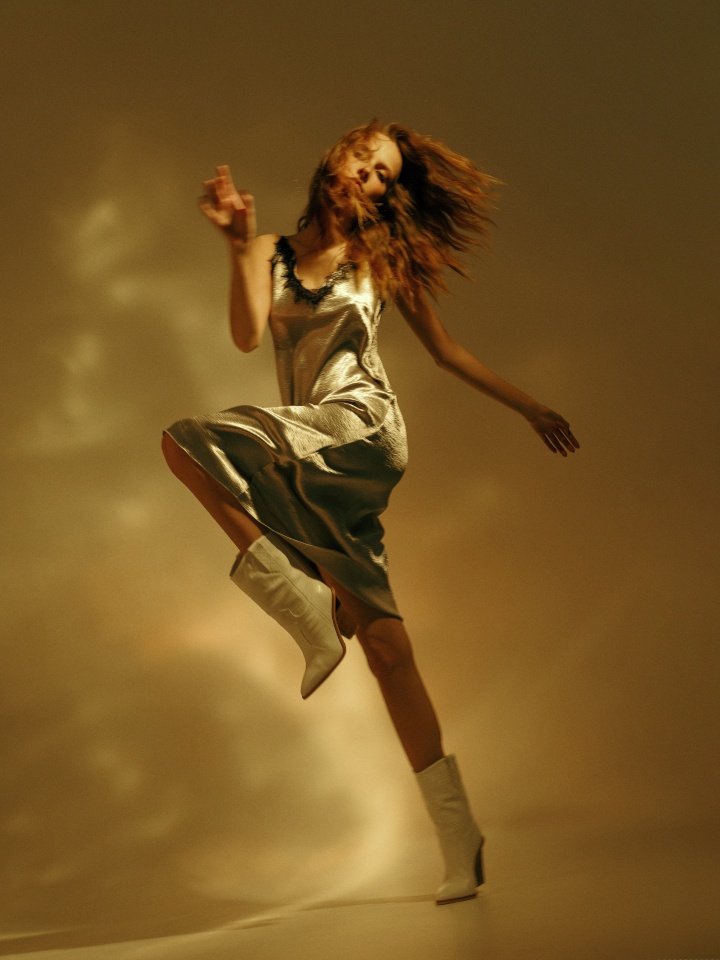
Anton, your first exhibition in Belgrade opens this February. How do you feel as the opening approaches?
Anticipation. And, honestly, a process of self-examination and reflection. I’ve always found it difficult to clearly articulate what my photography is about. But now, while preparing for the exhibition and selecting the works, it feels like I’m finally answering that question — first and foremost for myself. This is not a conclusion, but a point of awareness.
Can you lift the curtain a little on the concept of the exhibition? What is it about?
This exhibition is about women and about trust. Trust, for me, means the absence of a mask, the absence of fear of being misunderstood or not accepted. It’s a state of ease and inner freedom.
Any strong portrait is an image. And an image is always, to some extent, a role. But a role becomes alive only when the organic presence of a real person appears within it — their authenticity. Not acting, not performing what is “expected,” but how a person truly feels here and now. And without trust, this is impossible.
How did you select the works for the exhibition? And what story would you like the viewer to take with them?
Any truly compelling beauty comes from the author’s gaze — sometimes even when looking at the most ordinary things. And in order to allow an author to show you as they see you, rather than how it is “customary,” trust is needed once again.
For this exhibition, I was looking for works without compromise — images that feel entirely mine. Not “correct,” not “spectacular,” but those that reflect my gaze and my inner sense of beauty.
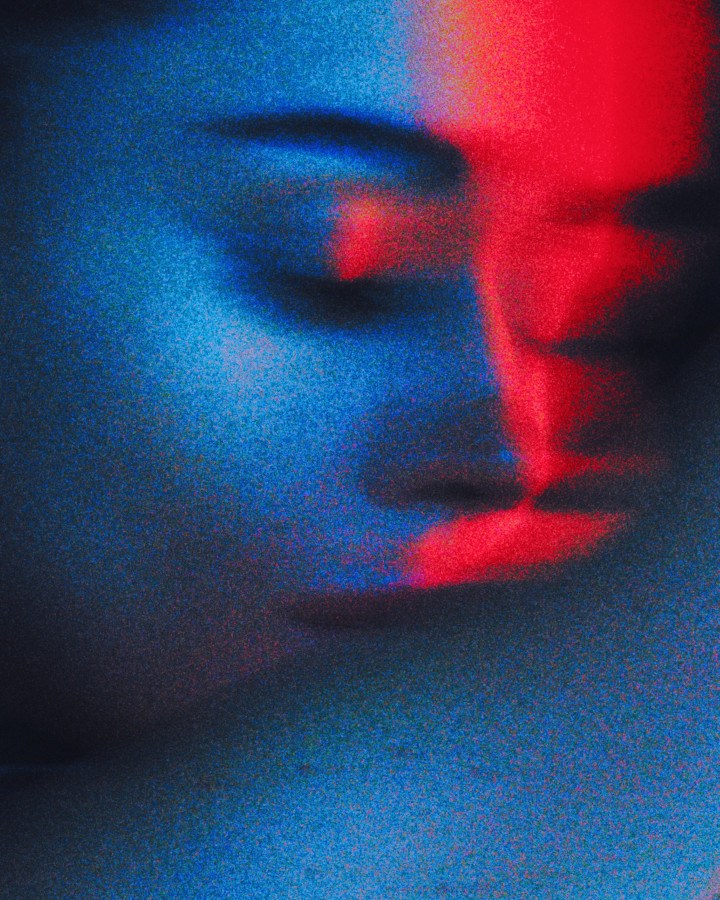
If your photography were a language, what would it say about you?
I fix fleetingness — that singular moment that will never happen again, that cannot be repeated.
What themes or emotions do you return to again and again?
We are subjective beings, and we know very little about ourselves. Often, we have no idea how we appear from the outside, or how strong, magnetic, or alive we can be.
In my photography, I show my own perception of a person — and how free they might be. This freedom is sometimes unexpected, sometimes not entirely comfortable, but it is always alive.
How do cultural differences influence your work in different countries?
I don’t feel that the culture of a specific country significantly affects my approach. I don’t shoot “in a Serbian way,” “an Arabic way,” or “a Russian way.” My visual language is universal: respect, attention, beauty, freedom. These are not local categories, but human ones. Seeing beauty is universal. Helping a person open up is universal too. I simply photograph people I’m drawn to.
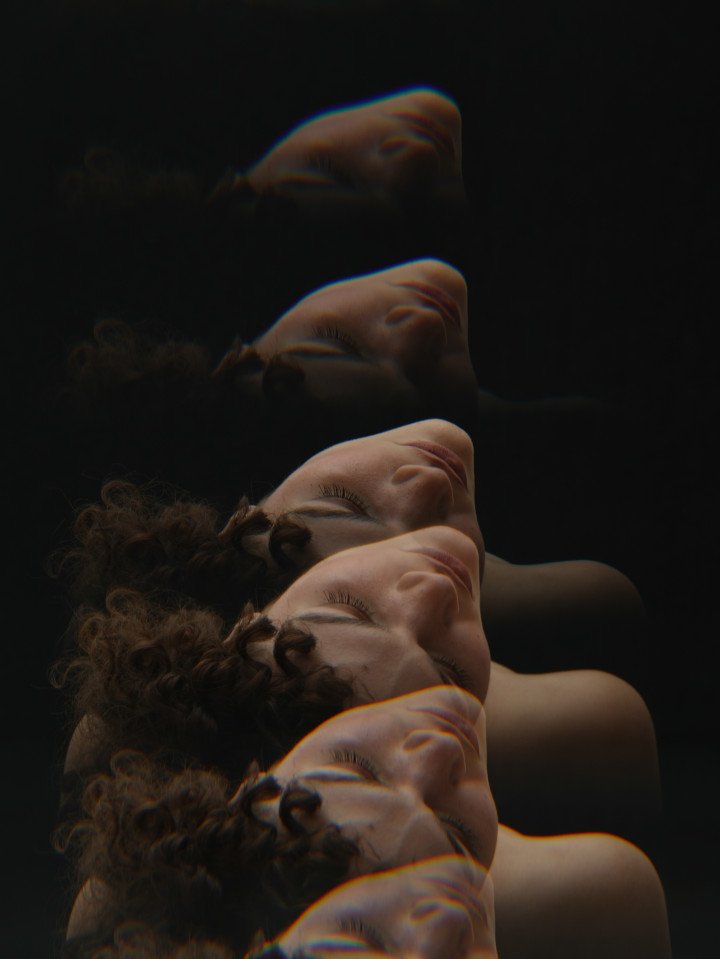
Where do you find inspiration?
In people. And almost always, there is an element of falling in love. I don’t approach a shoot as an algorithm — this face means this light. To photograph someone, I need to be genuinely interested in them: their appearance, their story, the dialogue between us. My images come from a gaze that is attentive, emotionally involved — even in love. So yes, I simply fall in love with people.
How do you see the impact of artificial intelligence on photography today?
For interesting authors, things have become easier than ever. AI removes limitations — budgets, locations, access to models. But when anyone can create something abstractly beautiful, universal beauty loses its value. What comes to the forefront is a unique vision.
AI can solve functional tasks — produce a clean, correct portrait. But it cannot offer a loving gaze from one person to another.
AI is a tool — just like a camera at any price point. It’s a way to embody an image or an idea when physical shooting is impossible.
I experiment with AI myself, creating projects that are difficult or impossible to realize through traditional shooting here and now — simply to show how I see and how I think visually.
If we strip everything away — technology, genres, contexts — what remains essential in photography is the gaze. The way one person looks at another. Everything else — tools, formats, mediums — changes. But the moment when you truly see someone and allow them to be seen remains unchanged.